Horizontal Thermic Fluid Heater About
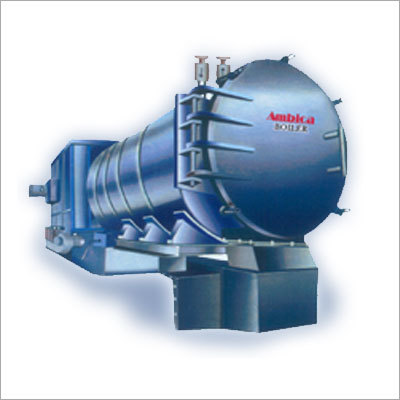
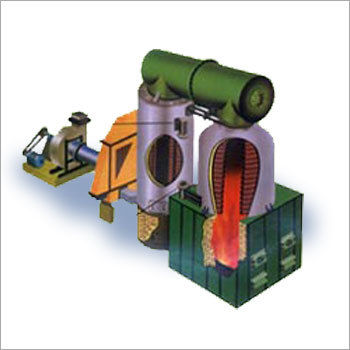
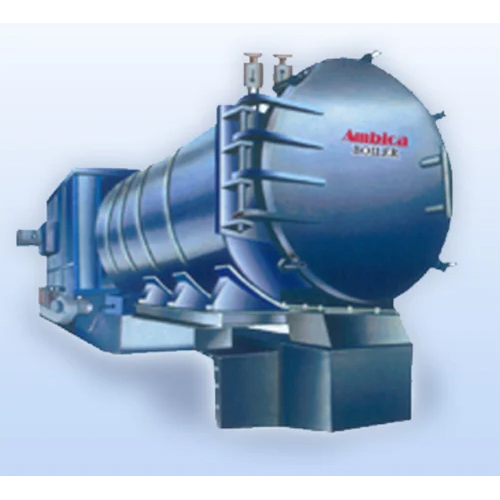
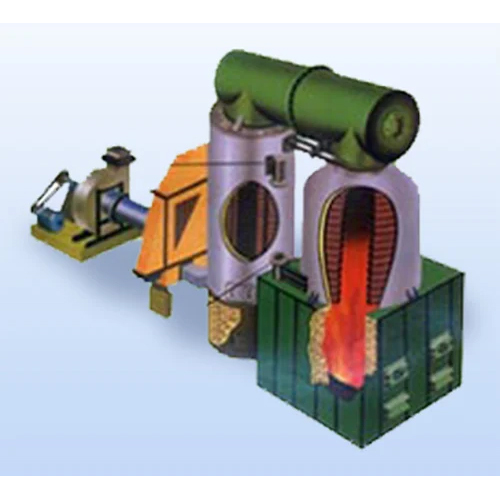
Horizontal Thermic Fluid Heater that we provide to our customers is composed of an internal combustion chamber and tube coils made of the best quality mild steel which makes it perfect to be used for various high temperature applications. The coils allows the easy passage of fuels which ensures low heat release and maximum heat transfer. Made of the best quality components, this Horizontal Thermic Fluid Heater is resistant to rust, corrosion and other such factors. We provide this in different specifications according to the needs of the customers.
Advanced Automation & SafetyEquipped with a PLC microprocessor-based control panel, the heater automates temperature management and monitors performance. Its safety architecture includes over-temperature protection, pressure relief valve, and low oil level protection, ensuring optimal and secure operation in demanding industrial settings.
Flexible Application & CustomizationIdeal for chemical, pharmaceutical, textile, and F&B industries, the unit offers customizable options in size and color. Designed for on-site installation, it suits varied fuel types including oil, gas, coal, or wood, supporting diverse operational requirements and high-volume heat transfer.
Durable Construction & Efficient OperationManufactured from robust mild steel and coated with anti-corrosive paint, the heater resists industrial wear and tear. Its mineral or glass wool insulation maximizes thermal retention, while high heat efficiency and long lifespan (approx. 15 years) deliver cost-effective, reliable heating solutions.
FAQs of Horizontal Thermic Fluid Heater:
Q: How is the Horizontal Thermic Fluid Heater installed and commissioned in industrial environments?
A: The heater is designed for floor-mounted installation. On-site commissioning is carried out by qualified technicians who connect the unit to the requisite fuel supply, electrical systems, and thermic fluid circuit. The dimensions are customizable to fit specific plant layouts and space requirements.
Q: What applications does this thermic fluid heater serve across different industries?
A: It is widely used in chemical, pharmaceutical, textile, and food & beverage sectors, where consistent, high-temperature heat transfer is essential for processes like reactor heating, drying, and indirect process heating.
Q: When should industries opt for the automatic model over the semi-automatic version?
A: Automatic models are suited where uninterrupted operations and precise control are critical, thanks to PLC microprocessor automation and fully automatic ignition. Semi-automatic versions may be suitable for facilities with lower process complexity or budget constraints.
Q: Where is the control panel located and how does it support operational safety?
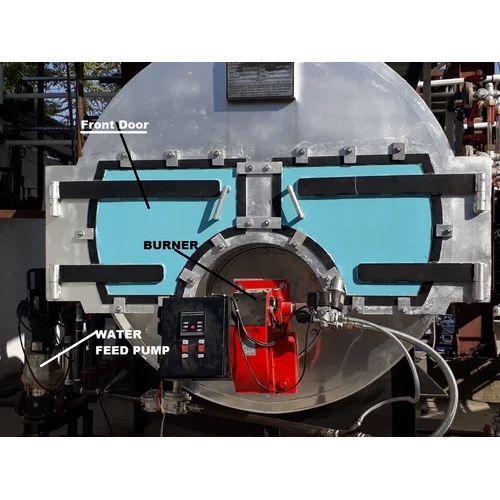
A: The PLC-based control panel is mounted adjacent to the heater for accessible and centralized system management. It automates functions, monitors temperature and pressure, and initiates safety protocols, including shut-down procedures in case of fault conditions.
Q: What is the process for customizing the heaters size, color, and performance specifications?
A: Customization requests are coordinated during the order placement stage. Clients specify desired dimensions, color finishes, fuel type, and capacity to meet unique site needs. The manufacturer adapts configurations to deliver a suitable unit.
Q: How is mineral wool or glass wool insulation beneficial in this heater?
A: Both insulation materials provide excellent thermal retention, minimizing heat loss, improving fuel efficiency, and supporting safe surface temperatures in high-demand industrial environments.
Q: What benefits can manufacturers expect from using this thermic fluid heater?
A: Users gain efficient, reliable heat transfer, reduced fuel consumption (2-10 liters/hour), improved process safety, and the flexibility to run on various fuels. The units robust design and safety features contribute to a prolonged operational life and minimal maintenance requirements.



 Send Inquiry


 Send Inquiry
 Send Inquiry
 Send SMS
 Call Me Free


 English
 Spanish
 French
 German
 Italian
 Chinese (Simplified)
 Japanese
 Korean
 Arabic
 Portuguese