Vertical Thermic Fluid Heater About
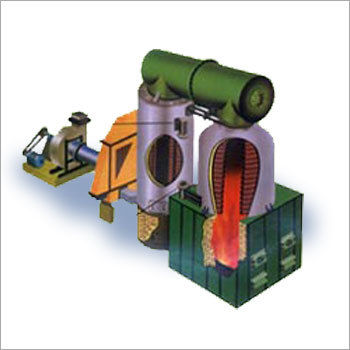
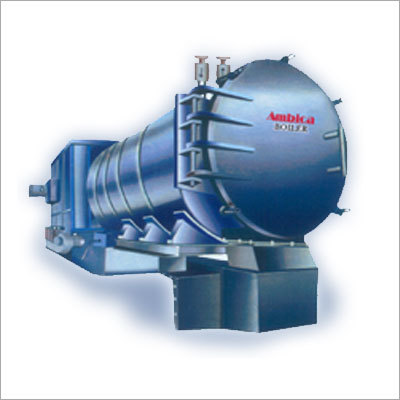
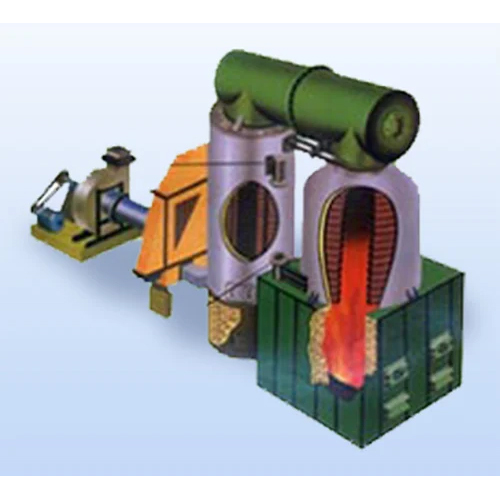
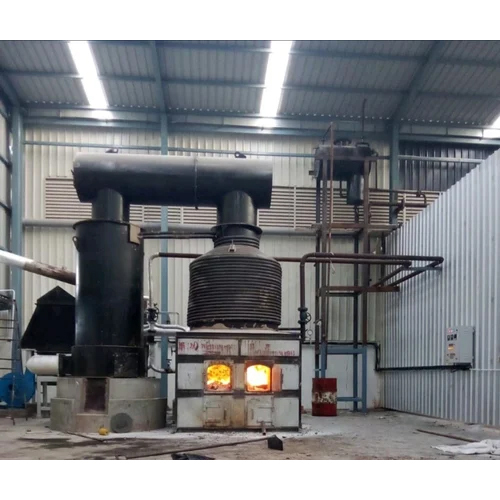
Vertical Thermic Fluid Heater is a solid fuel fired heating plant that is used for energy generation in various industries. This is widely demanded by our customers for their ease in operation, they have sophisticated controls for the organized handling of fuel and ash. Made of the best quality mild steel, this machine is resistant to rust, corrosion, high temperatures, adverse industrial pressure, etc. We provide Vertical Thermic Fluid Heater in different specifications according to the needs of the customers
Reliable and Versatile Process HeatingOur vertical thermic fluid heater delivers consistent, efficient heat transfer tailored for industrial operations in textiles, chemicals, oils, food, and pharmaceuticals. The system is engineered for flexibility, supporting various fuels and firing modes to ensure optimal performance and adaptability for diverse production environments.
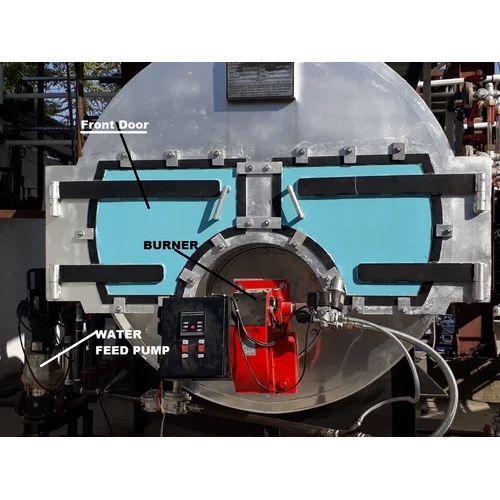
Advanced Safety and Control SystemsSafety and control are integral to our heaters design. Equipped with safety valves, pressure switches, and temperature limiters, the system offers peace of mind during operation. The digital temperature controller and indicator provide precise monitoring, supporting process integrity and operator safety in demanding industrial settings.
Customized Construction and Superior InsulationFabricated in mild or carbon steel, the heaters dimensions, paint finish, and mounting are fully customizable. Its insulationglass wool or mineral wool with aluminum claddingalong with a pre-insulated body option, maximize thermal retention, ensuring energy-efficient, reliable, and long-lasting performance.
FAQs of Vertical Thermic Fluid Heater:
Q: How does the vertical thermic fluid heater improve process heating efficiency in industrial applications?
A: The heater employs high-efficiency heat transfer capabilities, reaching up to 85% thermal efficiency. Its advanced insulation reduces energy losses, while the digital temperature control system maintains optimal and consistent heating, critical for processes in textile, chemical, oil, food, and pharma sectors.
Q: What safety mechanisms are integrated into the vertical thermic fluid heater for industrial use?
A: Integrated safety features include a safety valve, pressure switch, and temperature limit switch. These mechanisms prevent overpressure and overheating, ensuring safe operation even during continuous or duty cycle processes. The digital temperature indicator further alerts operators to real-time temperature changes.
Q: When should the circulation pump be used with this thermic fluid heater?
A: A compatible circulation pump is recommended when continuous movement of thermic fluid is necessary, especially in large-scale or complex process heating setups. This ensures uniform fluid temperature and effective heat distribution throughout the system.
Q: Where is the preferred installation site for a vertical thermic fluid heater?
A: The heater is designed for floor-mounted installation, typically positioned in process plants or industrial utility areas. Chimney height and location are customized based on statutory requirements and site specifics to ensure optimal exhaust and safety.
Q: What is the operational process for the heaters manual and automatic firing modes?
A: Manual firing requires operator intervention for fuel ignition, suitable for basic process needs. Automatic firing features programmable ignition and control for oil/gas models, enabling seamless, safe, and efficient operation, particularly in continuous or scheduled duty cycles.
Q: How does insulation material benefit the heaters performance?
A: The use of glass wool or mineral wool insulation, clad in aluminum, significantly minimizes thermal loss from the heater body. Pre-insulated heater models further amplify energy efficiency, leading to reduced fuel consumption and lower operating costs.
Q: What are the advantages of customizing the vertical thermic fluid heaters dimensions and configuration?
A: Customized dimensioning allows integration into unique plant layouts and process requirements. This adaptability, coupled with options for paint, mounting, and fuel type, ensures the heater fits seamlessly into varied industrial environments, optimizing both space utilization and performance.



 Send Inquiry


 Send Inquiry
 Send Inquiry
 Send SMS
 Call Me Free


 English
 Spanish
 French
 German
 Italian
 Chinese (Simplified)
 Japanese
 Korean
 Arabic
 Portuguese